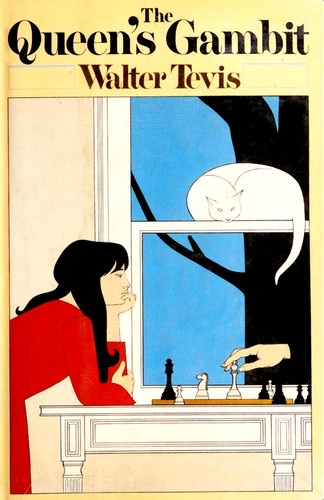
Cover of The Queen's Gambit

The Queen's Gambit

Walter Tevis

3 ideas

  1. Addiction disguises itself as performance enhancer

    Beth believes the tranquilizers, and later alcohol, are what let her see the board clearly. That belief turns a dependency into part of how she understands her own talent, which makes quitting feel like giving up her gift. The novel refutes it: her decline comes during her binges, and her greatest win comes when she plays sober.

  2. Solitary genius loses to collective preparation

    The Soviet players analyze adjourned games together as a team, while Beth prepares and competes alone. Her edge over Borgov comes only when she accepts help from American rivals, who phone in analysis during the adjournment. Individual brilliance hits a ceiling against a system that pools its knowledge, and asking for help is itself a competitive skill.

  3. Mastery as refuge from chaos

    For a child whose world has no stable adults, the chessboard offers a bounded space of sixty-four squares where every outcome follows from her own choices. That total control is what makes her obsession so absorbing and so protective. The same refuge also isolates her, letting her avoid grief, intimacy and ordinary life outside the game.

Save and mark ideas in the app