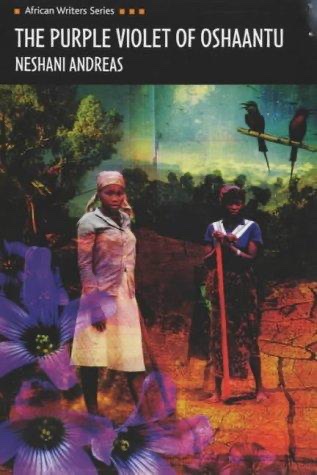
Cover of The Purple Violet of Oshaantu

The Purple Violet of Oshaantu

Namibia. Neshani Andreas

4 ideas

  1. Kauna's refusal to weep for Shange

    In the village of Oshaantu, Kauna's husband Shange beats her for years and openly keeps a mistress. His relatives then take the homestead and fields she has worked for years, and she leaves with her children for her own family's village, supported mainly by her neighbour and friend Mee Ali, who narrates the story.

  2. Community silence keeps domestic violence going

    Wife-beating continues less because of one violent man than because everyone around him treats it as private. Neighbours hear it and stay away, church elders and relatives tell the wife to endure and pray, and the norm that a good wife does not expose her husband turns bystanders into enforcers. A woman can escape only when someone breaks that code of discretion, which is why one friend's open loyalty matters more than any institution.

  3. Widow dispossession through lineage-based land claims

    A widow's decades of labour give her no title, so when the husband dies his relatives can legally or socially reclaim everything. Formal national equality does not reach the village if inheritance is still settled by kin, so the widow loses her home at the moment she is most exposed.

  4. Mourning ritual as a test of loyalty

    Treat public grief as a performance the community judges, not as private feeling. Tears signal that a wife accepts the marriage and the family's authority, while dry eyes are read as guilt, witchcraft, or rebellion. Seen this way, a victim's honest refusal to mourn her abuser becomes the evidence used to punish her.

Save and mark ideas in the app