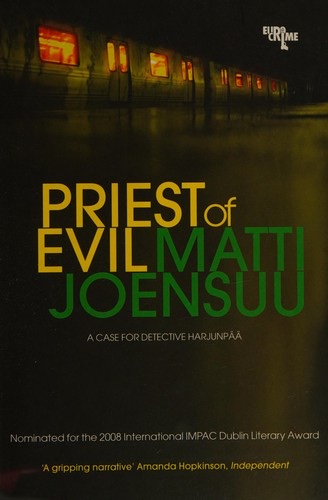
Cover of The Priest of Evil

The Priest of Evil

Matti Yrjänä Joensuu

4 ideas

  1. Metro deaths hidden inside suicide statistics

    In Helsinki, a series of people die under metro trains, and each death is logged as a suicide or accident because that is how platform deaths are routinely read. Detective Timo Harjunpää comes to suspect a pattern and traces the deaths to a homeless man who believes he is serving an ancient deity and is offering it victims. The killings stay invisible for as long as they fit an existing category of death that nobody investigates.

  2. Default categories let crimes pass unseen

    Institutions process events through ready-made classifications such as suicide, accident, or 'just a drunk'. A killer who works within a category the system already treats as closed can repeat the same act many times before anyone treats it as one case. Detection then depends on an individual who refuses the default label and looks at the cases together rather than one at a time.

  3. The delusion as coherent private logic

    The humane detective treats the killer's belief system as an internally consistent world that grew out of abandonment, isolation and need, not as random madness or pure evil. Understanding that logic from the inside helps the investigation, because it predicts where the man goes, whom he chooses and why. It also keeps the detective's sympathy intact without excusing what the man did.

  4. The parallel city beneath the visible one

    A modern city contains a second city of tunnels, stations, shelters and the people who live in its gaps. Commuters pass through this layer every day without seeing it. Because the homeless and marginalised are socially invisible, both suffering and violence there can go unrecorded, and the police officer who crosses between the two layers becomes the only witness to both.

Save and mark ideas in the app