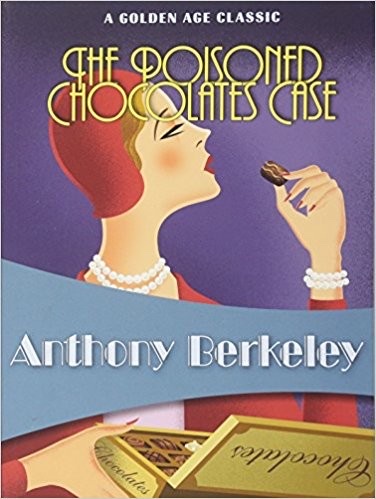
Cover of The Poisoned Chocolates Case

The Poisoned Chocolates Case

Anthony Berkeley

4 ideas

  1. Nitrobenzene chocolates meant for another man

    Sir Eustace Pennefather receives a box of liqueur chocolates at his London club, apparently a sample from the makers, and hands it to fellow member Graham Bendix. Bendix takes the box home; his wife Joan eats most of the chocolates and dies of nitrobenzene poisoning, while he survives. When the police stall, Roger Sheringham's six-member Crimes Circle takes the case, and each member in turn presents a confident solution that the next member demolishes.

  2. Same evidence supports many coherent solutions

    One fixed set of facts can be arranged into several internally consistent accounts, each naming a different culprit. Each reasoner chooses which facts count as clues and which count as noise, and those choices tend to follow their profession and temperament. The single inevitable answer of the classic detective story therefore comes from the author controlling which facts appear, not from deduction itself.

  3. Proving yourself guilty to discredit method

    One member, the detective novelist Bradley, builds a rigorous-looking chain of inference proving that he himself sent the chocolates, then declares it false. The demonstration shows that motive, opportunity and matching clues can be assembled against almost anyone. A persuasive case measures the arguer's skill more than the suspect's guilt.

  4. Question who the intended victim was

    Everyone first assumes the poisoner meant to kill the man the parcel was addressed to and treats the wife's death as a mischance. Asking instead whether the person who actually died was the true target changes who has a motive and who had access. The case turns on a small revealing detail: Joan had made a bet with her husband while already knowing its answer. Challenging the frame of accident versus intent can overturn a case more completely than any new clue.

Save and mark ideas in the app