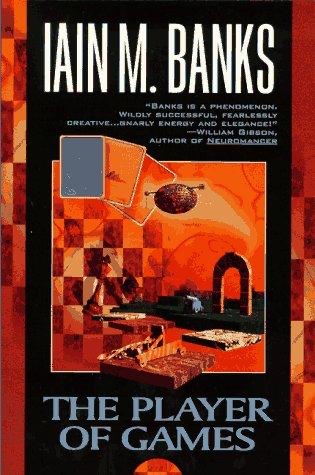
Cover of The Player of Games

The Player of Games

Iain M. Banks

4 ideas

  1. Gurgeh's blackmail and the Azad game

    Jernau Gurgeh, a bored master game-player of the Culture, is blackmailed by the drone Mawhrin-Skel after cheating in a game, and he agrees to travel to the Empire of Azad to compete in its empire-defining game. He plays Azad in the Culture's cooperative, anarchic style and defeats the Emperor Nicosar, and the Empire collapses.

  2. A game as a model of society

    Azad is a game so complex that how a person plays it exposes their whole philosophy, so the Empire uses it to decide rank, office and the throne. Because the game rewards whatever strategy wins, an outsider who wins with a different ethic shows that the Empire's founding values are one choice among several. That demonstration undercuts the Empire's claim to legitimacy.

  3. Hierarchy needs scarcity and hides its cruelty

    The Empire's rigid ranking of gender, class and species depends on artificial scarcity and spectacle to justify itself. Its elite hide torture, exploitation and sexual violence behind ceremony. Gurgeh is shown this hidden underside, which reveals that a society's official order is kept up by the suffering it keeps out of view.

  4. Utopian benevolence as soft imperialism

    The Culture has no laws or money, yet it quietly manipulates its own citizens and brings down rival civilizations through agents and deception, while believing it acts for their good. Look at a liberal, post-scarcity society through its intelligence arm, and its freedom looks tied to hidden coercion toward outsiders and useful insiders. This raises the question of whether benevolent intent justifies covert control.

Save and mark ideas in the app