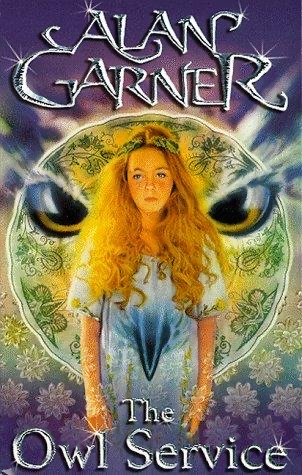
Cover of The Owl Service

The Owl Service

Alan Garner

4 ideas

  1. Owl-patterned dinner plates awaken valley's myth

    Alison, her English stepbrother Roger, and Welsh servant's son Gwyn find a dinner service in an attic whose floral pattern, traced and folded, makes paper owls that then vanish. This sets off a replay of the Mabinogion tale in which Blodeuwedd, a woman made from flowers, betrays her husband Lleu with Gronw, and is turned into an owl. The three teenagers fall into the roles of wife, husband and lover, and the conflict is defused only when Roger, not Gwyn, tells Alison she is made of flowers, not owls.

  2. The valley as a recurring power circuit

    The myth is a charge of power stored in the valley that must discharge through three people in every generation. Nancy, Huw and Bertram played the same roles a generation earlier, and it ended in death and bitterness. The pattern does not care who fills it. It repeats until someone ends the story in a different way instead of re-enacting it.

  3. Class and nation fuel mythic jealousy

    The ancient love triangle takes its destructive energy from present social wounds. These include English owners against Welsh servants, Gwyn's grammar-school ambition against his mother's contempt, and Roger's snobbery. Old stories become dangerous when they latch onto real humiliations. The supernatural only magnifies grievances the characters already carry.

  4. Flowers versus owls: framing determines outcome

    Blodeuwedd can appear as flowers (gentle, created, innocent) or owls (predatory, punished, accusing), and which one emerges depends on how she is seen by those around her. Recasting someone's nature at a crisis point can decide whether stored aggression turns destructive. Resolution comes from the person least tied to the grievance, Roger, offering the generous reading, which Gwyn's wounded pride makes him unable to give.

Save and mark ideas in the app