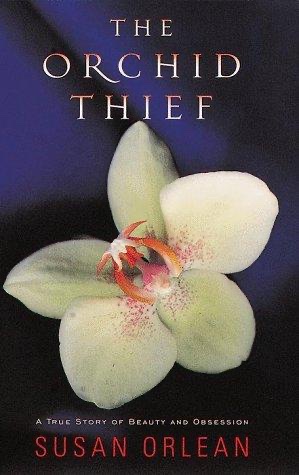
Cover of The Orchid Thief

The Orchid Thief

Susan Orlean

4 ideas

  1. Laroche's Seminole Loophole Orchid Poaching Scheme

    John Laroche recruited members of the Seminole Tribe to remove rare ghost orchids and other plants from the Fakahatchee Strand, reasoning that tribal members were exempt from state laws against taking endangered species. The plan was to clone the orchids in a tribal nursery and sell them, making the rare plants cheap and ending the pressure to poach them. The case shows how a clever reading of the law can turn into a defense of conduct that most people would call theft.

  2. Serial Obsession as a Portable Temperament

    Laroche threw himself completely into one passion after another: turtles, Ice Age fossils, old mirrors, orchids. Each time, he quit the old passion abruptly and for good, and never went back. Seen this way, obsession belongs more to the person than to the object. The intensity stays constant while the target it attaches to changes.

  3. Wanting Passion Can Exceed Having It

    Orlean admits that what she envies is not orchids but the capacity to care about anything that much. She calls the passion itself enviable because it makes the world seem manageable and full of meaning. Her investigation of collectors becomes a study of her own longing to feel that degree of devotion.

  4. Collecting Mania Driven by Rarity

    Orchid collectors have historically risked death, ruin, and prison chasing specimens, and Victorian orchid hunters died in the jungle racing rivals for new species. Scarcity and difficulty of acquisition raise desire, so the harder a plant is to obtain, the more valuable and compulsive the pursuit becomes. This produces a feedback loop in which protection laws can make rare species even more coveted.

Save and mark ideas in the app