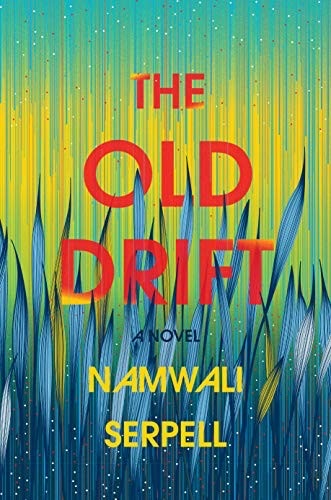
Cover of The Old Drift

The Old Drift

Namwali Serpell

4 ideas

  1. Nkoloso's Afronauts and the Zambian space program

    He trained 'Afronauts' by rolling them downhill in oil drums and swinging them from trees, and planned to send a teenage girl, two cats and a missionary to Mars. The novel folds this real episode into its characters: Matha Mwamba, the girl slated for launch, is left behind when the program collapses. The case shows postcolonial ambition that was mocked abroad yet was a sincere claim that a new nation belonged in the modern future.

  2. The Old Drift settlement at Victoria Falls

    Malaria killed so many of them that the site was abandoned and the town was moved to higher ground as Livingstone. In the novel, a colonial error about where to settle becomes the origin point that later generations' fates drift from. Mosquitoes, not armies, decide where the empire can stay.

  3. History narrated by the mosquito swarm

    A chorus of mosquitoes narrates parts of the novel. Because they feed on everyone, they see colonizer, colonized and migrant as one mixed bloodstream. From that position the human categories of race and nation look thin and temporary, while disease, contact and mixture look like the real long-run forces. Putting a non-human collective in the narrator's seat turns a national family saga into an ecological history in which human plans are small and swarms outlast empires.

  4. Future technology reruns colonial extraction patterns

    The novel's near-future section features insect-sized microdrones, implanted devices, and a foreign-backed vaccine trial run on Zambian bodies. It argues that new technology repeats the colonial structure of the opening chapters. Outside capital and expertise treat the territory as a site for experiment and control, and local people serve as test subjects and surveillance targets rather than owners. The warning is that 'progress' can rebuild the old hierarchy unless the people it is tested on control it.

Save and mark ideas in the app