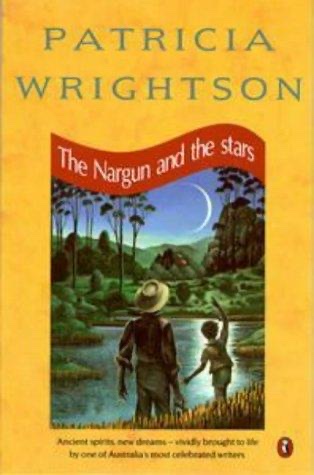
Cover of The Nargun and the Stars

The Nargun and the Stars

Patricia Wrightson

4 ideas

  1. Orphaned boy helps entomb an ancient stone

    After his parents die in a car crash, Simon Brent is sent to Wongadilla, a remote New South Wales sheep station run by his elderly cousins Charlie and Edie Waters. There he discovers the land is inhabited by spirits: the trickster water-creature Potkoorok in the swamp, the Turongs in the trees, and the Nyols inside the rock. The Nargun, a slow, ancient, destructive stone being, has moved onto the property, and Simon, the cousins and the spirits finally deal with it by trapping it inside a cave in the mountain.

  2. Deep time dwarfs human settlement

    The Nargun is as old as the rock it came from, so human lives, fences and machinery are brief disturbances on a surface it has always known. Seen from inside geological time, settler ownership of land looks provisional and shallow, while the land and its older presences continue unaffected by human claims.

  3. Grief heals through attention to place

    Simon arrives withdrawn and closed off. His recovery comes not from being talked to about his loss but from paying close, secret attention to a particular landscape and its hidden inhabitants. The book presents belonging as something earned by learning a place on its own terms, and it is that bond that rebuilds a bereaved child's connection to the people around him.

  4. Spirits bound to specific country

    Wrightson draws on Aboriginal tradition, handled with care for its time by a non-Indigenous author, to present spirits that belong to particular features of the land, such as swamp, trees and underground rock. They are neither good nor evil in a moral sense but indifferent, mischievous or dangerous according to their nature. Their power is local and physical, so dealing with them means understanding the terrain rather than applying imported European ideas of magic.

Save and mark ideas in the app