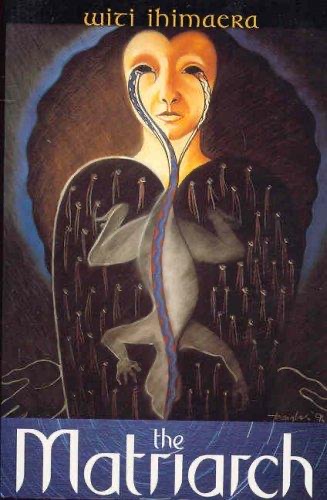
Cover of The Matriarch

The Matriarch

Witi Ihimaera

4 ideas

  1. Riripeti Mahana raises her chosen heir

    She trains him in genealogy, lore and the family's land grievances so that he will carry on the fight after her death. The adult Tamatea's retelling shows the cost of this: the rupture with his parents, resentment from kin who were passed over, and a legacy he must both honour and interrogate.

  2. Genealogy as a claim to land

    In the novel, whakapapa (genealogy) is not family trivia but a legal and moral argument. Reciting descent from specific ancestors establishes who holds rights to specific land and who has the authority to speak for it. Teaching an heir genealogy is therefore the transfer of a political title, and losing that knowledge is a way of losing the land itself.

  3. Colonisation continued through law and Parliament

    The book argues that Māori land loss did not end with the armed conflicts of the 1860s. It continued through confiscation, land courts, legislation and parliamentary politics. Resistance had to shift from Te Kooti's guerrilla campaigns to lawyers, politicians and delegations to Wellington, and the novel treats these as one continuous struggle carried out by different means across generations.

  4. Rebels reread as prophets and defenders

    The narrative retells the colonial record from inside the Māori community. Te Kooti, labelled a rebel and murderer in settler histories, appears instead as a prophet and a leader resisting dispossession. Shifting whose memory counts as history changes who is cast as aggressor and who as defender, and it shows official history to be one partisan account among others.

Save and mark ideas in the app