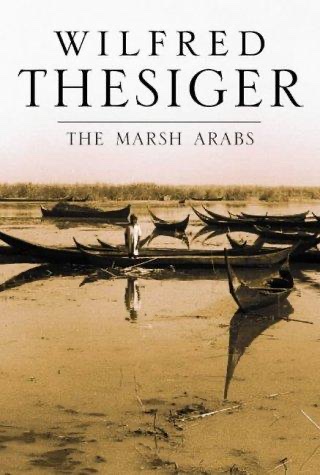
Cover of The Marsh Arabs

The Marsh Arabs

Iraq · 1950s

3 ideas

Buy on Amazon

A British explorer's account of seven years living among the Madan of southern Iraq, describing their reed villages, tribal life and buffalo economy before the marshes were drained.

  1. Entering Marsh Society as Itinerant Doctor

    Thesiger gained lasting acceptance among the Madan by traveling from village to village by canoe, dispensing medicines, treating wounds and infections, and performing large numbers of circumcisions on boys and young men. This gave him a useful role that justified his presence year after year. His hosts stopped treating him as a curious foreign visitor and started treating him as someone they needed.

  2. The Mudhif as Political Infrastructure

    The mudhif was a sheikh's guesthouse, built of bundled reed columns bent into arches and covered with reed mats. It fed any traveler who arrived and served as the tribe's court and meeting hall. A sheikh's authority rested on visibly spending his wealth on this open hospitality: the building and the coffee served in it were the physical form of his legitimacy.

  3. A Whole Economy Built on Reeds and Buffalo

    Madan life rested on two resources. Giant reeds supplied housing, floating island foundations, fuel, fodder, and woven mats sold to outside markets. Water buffalo supplied milk, dung fuel, and the Madan's identity. Because one self-renewing wetland plant met nearly every material need, the whole way of life depended on the water regime staying intact.

Save ideas and give them a thumbs up or down in the app