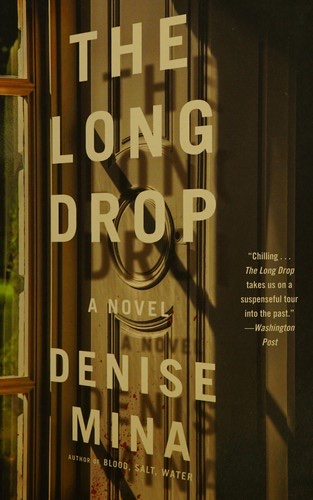
Cover of The Long Drop

The Long Drop

Denise Mina

4 ideas

  1. The victim's husband drinks with the killer

    In September 1956, William Watt's wife Marion, daughter Vivienne and sister-in-law Margaret Brown were shot dead in their home in Burnside, near Glasgow, and police held Watt himself in Barlinnie prison for over two months as the chief suspect. In December 1957, Watt spent a night drinking across Glasgow with Peter Manuel, a known housebreaker and liar who claimed to know details of the crime and offered to produce the gun. After the Smart family murders, Manuel was arrested in January 1958, tried that May for eight murders including the Watt killings, convicted of seven, and hanged in July 1958.

  2. The need to know overrides revulsion

    A bereaved man will sit for hours drinking with someone he suspects killed his family, because the chance of learning what happened outweighs disgust, fear and dignity. The killer uses that need as leverage. He supplies fragments of true detail mixed with invention, which keeps the listener attached and puts the killer in control of the story.

  3. The compulsive liar as self-authoring narrator

    Manuel is best understood as a man whose power came from narrative rather than violence alone. He revised his account constantly to fit his audience, cast himself in whatever role gave him status, and finally dismissed his counsel to conduct his own defence in court. Seen this way, the trial was his last stage, and he would sooner be the hanged author of his story than a minor character in someone else's.

  4. Public suspicion follows the respectable husband

    Police and public treated Watt as the obvious culprit because he fit a familiar script: a prosperous husband with rumoured secrets, whose alibi seemed too convenient. When a community expects a certain kind of killer, it stops looking at the evidence that points elsewhere.

Save and mark ideas in the app