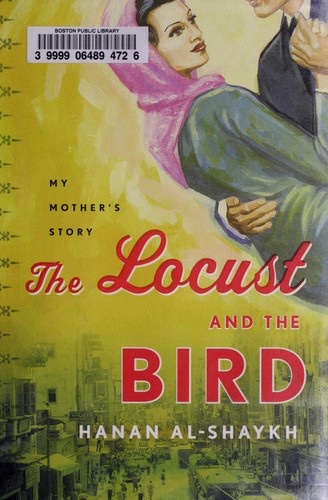
Cover of The Locust and the Bird

The Locust and the Bird

Hanan al-Shaykh

4 ideas

  1. Kamila's child marriage, affair, and divorce

    In 1930s Beirut, Kamila, a poor, illiterate Shiite girl from southern Lebanon, was married off in her early teens to her dead sister's widower, a much older relative. She kept up a secret love affair with a young man she had loved before the marriage. She eventually got a divorce, lost her two daughters to their father's household, and married her lover.

  2. Retelling the mother who left you

    The daughter who experienced her mother's departure as abandonment writes the life in the mother's own voice. That shift in narrator turns 'she left us' into 'she fled a marriage she never chose,' so the same facts produce a different moral verdict. Choosing whose voice carries a family story decides who counts as victim and who counts as culprit.

  3. Custody law makes escape cost motherhood

    Where religious family law grants children to the father after divorce, a woman's only exit from a forced marriage means giving up her children. Her freedom and her motherhood become mutually exclusive by legal design, not personal failing. The price of choosing her own life is paid in part by her daughters.

  4. Oral life story transcribed by another

    An illiterate subject cannot write her own record, so her life reaches print only through someone who can write it down and shape it. The resulting text is a collaboration. The subject supplies memory and voice, and the scribe decides structure, selection, and meaning. This makes authorship itself part of the story's power dynamics.

Save and mark ideas in the app