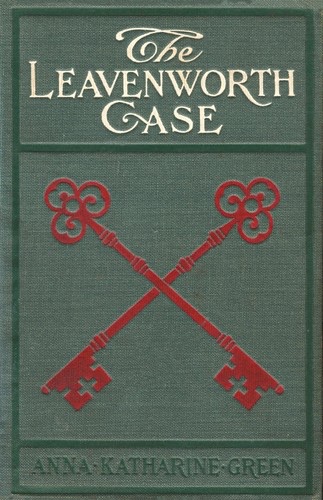
Cover of The Leavenworth Case

The Leavenworth Case

Anna Katharine Green

4 ideas

  1. The Leavenworth library murder and secretary

    Retired New York merchant Horatio Leavenworth is found shot in the head at his library desk. The inquest points to his nieces: Mary, his chosen heiress, and Eleanore, who was left out of the will and is caught with suspicious evidence. The killer turns out to be his quiet private secretary, James Trueman Harwell, who loved Mary and murdered his employer believing that doing so would let him win her.

  2. Protective silence manufactures apparent guilt

    An innocent person who conceals facts to shield someone they love produces the same outward signs as a guilty person: evasion, destroyed papers, hidden keys and refusals to answer. Eleanore's loyal silence on her cousin's behalf turns her into the prime suspect. Investigators end up reading the cost of loyalty as evidence of crime.

  3. Observe the hands, not the face

    Detective Gryce rarely looks at the person he is questioning. Instead he fixes his gaze on objects such as a doorknob, a vase or a hand. This lets him watch involuntary behavior without triggering the performance people put on when they know they are being watched. Indirect attention yields more honest data than direct confrontation.

  4. Obvious motive plus circumstance misleads investigators

    When a crime has a visible motive, such as inheritance, circumstantial clues get arranged around the people who hold that motive, and each new fact seems to confirm the first suspicion. Meanwhile a peripheral insider with ordinary access and a hidden, private motive goes unexamined. Circumstantial evidence can support a false conclusion because investigators organize it around a story they already believe.

Save and mark ideas in the app