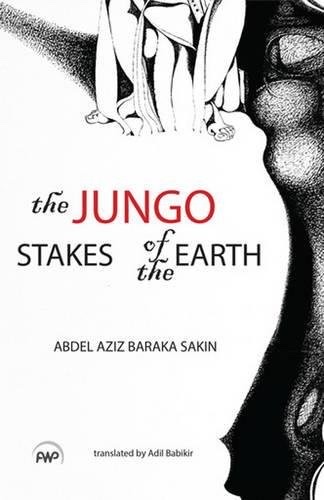
Cover of The Jungo

The Jungo

Abdelaziz Baraka Sakin

4 ideas

  1. Prize-winning novel seized at book fair

    In 2011 this novel about Gedaref's seasonal labourers won the Tayeb Salih Prize, and copies were then confiscated by Sudanese authorities at the Khartoum Book Fair. The ban made the book more sought after: banned titles circulated hand to hand and became among the most-read books in the country. It is a concrete case of state censorship amplifying the reach of the work it targets.

  2. Jungo as self-named labouring class identity

    The Jungo are seasonal harvest workers who follow the sorghum and sesame seasons along the Ethiopian border. They turn a marginal economic role into a named identity with its own codes, loyalties, humour and sense of honour. The subtitle 'Stakes of the Earth' frames them as the pegs that hold the land's economy in place while remaining fixed at its bottom.

  3. Seasonal wages flow back to the town

    Harvest wages pass quickly back into the border town's economy of drink, lodging, women and debt. The labourer therefore ends each season about as poor as he began and must return to the fields. The seasonal system reproduces its workforce by keeping its gains in circulation among merchants and brewers rather than letting labourers accumulate.

  4. Comedy as dignity for the marginalized

    The novel tells the lives of labourers, drinkers, sex workers and imprisoned women as comic misadventure rather than tragedy or case study. It treats them as agents with wit, appetite and choices instead of as victims awaiting rescue.

Save and mark ideas in the app