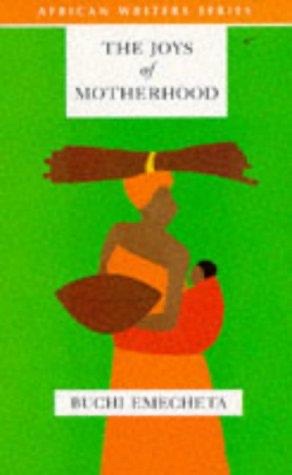
Cover of The Joys of Motherhood

The Joys of Motherhood

Buchi Emecheta

4 ideas

  1. Nnu Ego dies alone after raising sons

    Nnu Ego, a chief's daughter from Ibuza, is sent home by her first husband for infertility. She is then married to Nnaife, a washerman for a British family in colonial Lagos. There her first son dies in infancy, which drives her to attempt suicide, and she goes on to spend decades in poverty petty-trading to feed and school many children, pinning her future on her sons; yet her eldest goes to America and another to Canada, and she dies alone by a roadside with no child present. After her death she is worshipped at a shrine, but she refuses to grant fertility to the women who pray to her.

  2. Colonial wage economy breaks the children-as-wealth bargain

    In the village, many children made sense because shared land, extended kin, and communal childcare spread their cost, and children repaid parents with labor and old-age support. In the colonial cash economy of Lagos, each child becomes a cash cost of rent, food, and school fees borne by one household, while education carries children away from the obligation to repay. The rule that a woman's worth lies in her fertility survives the move, but the economic system that made it rewarding does not, so the mother pays the full price and collects nothing.

  3. Daughters and mothers subsidize sons' advancement

    The household invests its scarce cash in sons' schooling as the family's route to status. Daughters are kept home to trade, and their bride prices are counted on to fund their brothers. The mother's unpaid labor and the daughters' foregone education are converted into the sons' mobility, and the sons then exit the household rather than reciprocate. The women carry the cost of the patriarchal investment while its returns leave with the men.

  4. Love for children as a form of imprisonment

    Nnu Ego calls herself a prisoner of her own love for her children, bound by devotion as much as by any husband or custom. Viewed this way, maternal love is a mechanism of constraint: it makes self-sacrifice feel chosen, and it removes the exits that other women take. Her co-wife Adaku leaves the marriage to trade independently and educate her daughters. The ideal of the selfless mother keeps women in place precisely because they experience it as their own desire.

Save and mark ideas in the app