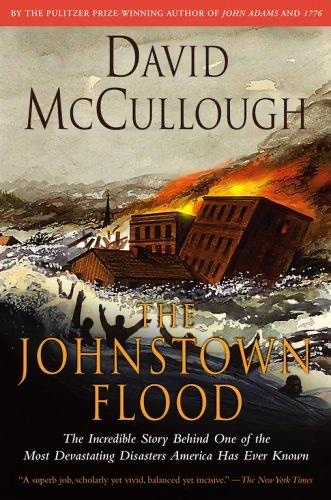
Cover of The Johnstown Flood

The Johnstown Flood

David McCullough

4 ideas

  1. South Fork Dam failure destroys Johnstown, 1889

    On May 31, 1889, after torrential rain, the earthen South Fork Dam gave way. The dam held back Lake Conemaugh, a private resort lake owned by Pittsburgh industrialists including Carnegie, Frick, and Mellon. Its water swept 14 miles down the valley and killed more than 2,200 people in Johnstown, and wreckage jammed against the Stone Bridge caught fire, burning many who were trapped in it.

  2. Amenity modifications quietly strip away safety margins

    The club turned an engineered reservoir into a leisure lake, and each change degraded the dam. It lowered the crest to widen the carriage road on top, never replaced the removed discharge pipes, and put fish screens across the spillway that clogged with debris. Every change looked minor and served comfort or sport, but together they removed the dam's ability to shed water in a flood, and no single decision-maker ever owned that combined risk.

  3. Chronic warnings normalize and neutralize real alarms

    For years Johnstown residents had heard that the dam might break, and each spring passed without disaster. So on the day it failed, telegraphed warnings from the dam were widely discounted as another false alarm. Repeated unfulfilled warnings train a population to ignore the signal, so the credibility of an alarm wears out before the danger arrives.

  4. Act of God framing shields negligent owners

    After the flood, the wealthy club members faced no successful legal liability, because courts and defenders treated the disaster as an act of God rather than the result of human choices. Look at how a catastrophe is framed: calling it natural rather than engineered decides who pays. Power often works less by denying a disaster than by relocating its cause beyond human agency.

Save and mark ideas in the app