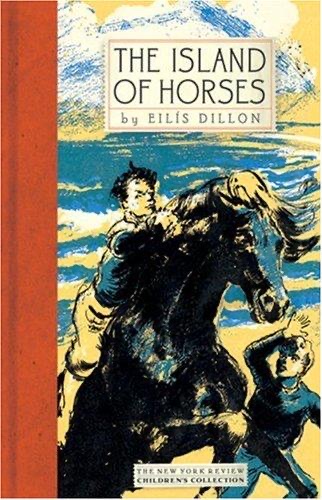
Boys find wild horses on forbidden island
They bring a young colt back to the mainland world. Their discovery stirs up adult greed, rivalry, and danger rather than simple celebration.
4 ideas
They bring a young colt back to the mainland world. Their discovery stirs up adult greed, rivalry, and danger rather than simple celebration.
A place a community refuses to visit usually marks a real past event such as eviction, famine, drowning, or departure, and the prohibition survives long after anyone can explain it. Reading a taboo as compressed history rather than mere superstition shows both why elders enforce it and why the young, who lack the memory, are the ones who break it.
Among people living at subsistence on the western seaboard, an animal is never only a marvel: a good horse is capital, trade goods, and a possible way out of want. So a child's discovery immediately becomes a matter of ownership, sale, and theft. The book refuses to romanticize the poor west, showing that scarcity turns every piece of luck into something others will contest.
When people leave marginal land, what they leave behind, including livestock, fields, and houses, does not simply vanish. It goes feral and keeps living on its own terms. The empty island is a record of human retreat, and its wild herd is domestic stock that outlived the community that kept it.