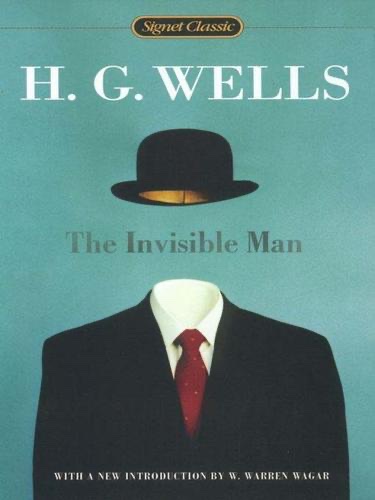
Cover of The Invisible Man

The Invisible Man

H. G. Wells

4 ideas

  1. Griffin's invisibility becomes a trap

    Unable to reverse it, he arrives bandaged and goggled at the Coach and Horses inn in Iping, Sussex, where the villagers' curiosity exposes him. He flees, forces the tramp Marvel to serve him, and reveals everything to his former classmate Dr. Kemp, who betrays him to the police. Griffin proclaims a 'Reign of Terror' and is beaten to death by a crowd of navvies in Port Burdock, his body turning visible again as he dies.

  2. Superpowers dissolve into mundane practical costs

    Invisibility sounds like unlimited power, but Griffin finds it works only when he is naked, cold, and hungry. Undigested food shows in his stomach, rain and mud outline him, and he cannot carry money, sleep safely, or walk among people without being bumped into. Examining any imagined advantage through its everyday logistics shows that most of its value disappears into friction the fantasy never accounts for.

  3. Unaccountability erodes moral restraint

    He robs his father, the vicar, and shops, then justifies murder as necessary to his project. Removing observation and social consequence exposes whether a person's ethics are internal or merely enforced from outside.

  4. The isolated genius who needs accomplices

    Griffin hid his research from colleagues so that he alone would get the credit, and that secrecy left him with no one to help when invisibility turned out to be irreversible. His plan for domination still depends on a visible confederate, first Marvel and then Kemp, and each one deserts him. Power gained by cutting yourself off from others is weakest exactly where it relies on the cooperation it has pushed away.

Save and mark ideas in the app