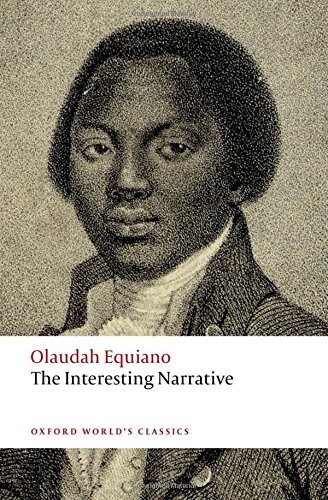
Cover of The Interesting Narrative

The Interesting Narrative

Olaudah Equiano

4 ideas

  1. Buying freedom through petty trade

    While enslaved to the Quaker merchant Robert King, Equiano bought small goods such as glass tumblers and gin in one port and sold them at a markup in another, slowly compounding a few pence into the forty pounds his master had named as his price. When he produced the money, King tried to back out of the bargain, and only the intervention of a ship captain holding King to his word secured the manumission. The case shows that an enslaved person's legal freedom depended both on outworking the system's economics and on a white witness willing to enforce a promise.

  2. Slavery corrupts the enslaver as well

    Equiano argues that slavery degrades the moral character of those who practice it: ordinary people become cruel because the system gives them unchecked power and rewards brutality. On this account the violence of plantation owners and overseers is produced by the institution rather than by fixed traits of the individuals. That makes abolition a remedy for the moral corruption of European society as well as a rescue of Africans.

  3. Freedom without rights is not freedom

    Even after manumission, Equiano was cheated, robbed, and threatened with re-enslavement in the West Indies and Georgia, because a free Black man's testimony was not accepted in court against a white one. A legal change in status meant little when the surrounding institutions would not enforce his claims. This lens separates formal liberty from the practical protections, such as testimony, contract, and property, that make liberty usable.

  4. Commerce with Africa beats trading in Africans

    Equiano argues to British readers that ending the slave trade would pay: a civilized Africa would become a vast market for British manufactures, worth more than the profit from selling people. He turns abolition from a purely moral appeal into an economic case aimed at the self-interest of merchants and Parliament. The rhetorical method is to meet opponents on the ground of their own incentives.

Save and mark ideas in the app