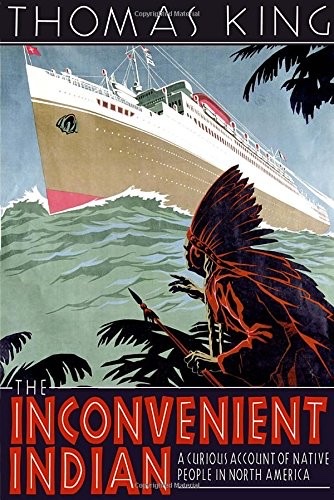
Cover of The Inconvenient Indian

The Inconvenient Indian

Thomas King

6 ideas

  1. Dead, Live, and Legal Indians

    Settler society sorts Native people into three categories: Dead Indians, the romanticised feathered figures of the past that it loves and consumes; Live Indians, the actual contemporary people who disappoint that image and are largely ignored; and Legal Indians, the subset whom governments recognise by statute and to whom treaty obligations are owed. Because obligations attach only to Legal Indians, the state has a standing incentive to shrink that category through blood rules, status loss, and termination while celebrating the Dead Indian.

  2. The Real Contest Is Always Land

    Beneath every shifting North American Indian policy, whether removal, reservations, allotment, residential schools, termination, or relocation, the constant goal has been transferring land from Native to settler control. Policies framed as civilising, protecting, or integrating Native people consistently reduced the land base, so rhetoric changes while the underlying transaction stays the same.

  3. History as Selected, Performed Stories

    History is not a neutral record of the past but a set of stories a society chooses to tell about itself, polished into monuments, pageants, and films. Settler history stages some episodes, such as heroic last stands and frontier triumphs, as national myth. It forgets massacres, broken treaties, and Native victories that would complicate the story. Asking which events get commemorated and which get dropped reveals whose interests the national story serves.

  4. Hollywood Manufactures the Screen Indian

    Film invented a generic Indian with war bonnets, stoic grunts, horseback raids, and a tragic disappearance, and non-Native actors often played the part. Iron Eyes Cody, the 'crying Indian' of an anti-litter ad, was actually Italian-American. This manufactured image became the standard against which real Native people are judged, so living Indians who do not match it get read as inauthentic.

  5. Inconvenience of Indians Who Persist

    Native people are 'inconvenient' because they did not vanish as the national narrative predicted. Their continued existence brings treaty rights, land claims, and sovereignty demands that disrupt settler ownership and the story of completed conquest. Much policy and popular culture can be read as an effort to resolve this inconvenience, either by absorbing Native people into the general population or by relocating them symbolically to the past.

  6. Treaties as Obligations Settlers Evade

    Treaties were legal agreements that governments signed to secure land and peace when Native nations were powerful. Governments then reinterpreted, ignored, or legislated around those agreements once the balance of power shifted. The pattern is to treat treaty promises as binding on Natives and optional for the state, turning law into an instrument of dispossession rather than a constraint on it.

Save and mark ideas in the app