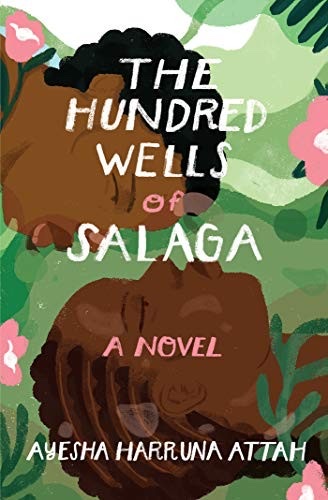
Cover of The Hundred Wells of Salaga

The Hundred Wells of Salaga

Ayesha Harruna Attah

4 ideas

  1. Aminah and Wurche meet at Salaga

    In the 1890s Aminah, a young woman from the caravan-stop village of Botu, is seized by slave raiders, marched across the region, and sold in Salaga, then one of West Africa's largest slave markets. There she is bought into the household of Wurche, a chief's daughter from Kpembe who is pushing for a political role during the Gonja succession war. The two women's lives, one enslaved and one privileged but constrained, become bound together as German and British agents close in on the territory.

  2. Parallel unfreedoms across a class divide

    Setting an enslaved girl beside an elite woman shows that bondage and privilege are not simple opposites. Wurche's rank does not stop her father and brothers from shutting her out of politics or from marrying her off to seal an alliance, so her body is also traded, only on better terms. Seeing this does not make the two conditions equal, because Aminah can be sold and Wurche cannot. It does show that patriarchy and slavery are separate systems that overlap.

  3. Local elites sustained the internal slave trade

    The novel says African rulers, raiders, and merchants organized and profited from the regional slave trade after the transatlantic trade ended. Captives kept flowing through inland markets to supply labor, tribute, and wealth. Human trafficking is shown as an ordinary part of the local economy and elite households, not as something imposed only by outsiders.

  4. Commodification rituals at the market wells

    The wells of Salaga's title stand for the practical steps that turned captives into goods, such as washing and preparing them before sale so they would look healthier and fetch a higher price. Treating people as products to be improved for buyers was part of how the market worked. The wells tie the town's physical landscape to the trade that built it.

Save and mark ideas in the app