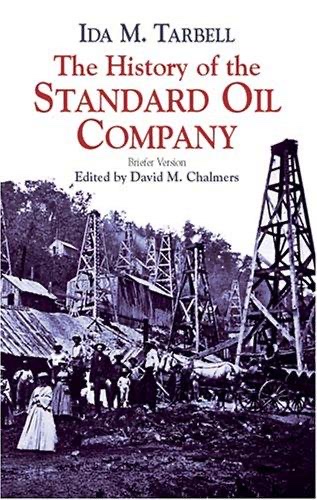
Cover of The History of the Standard Oil Company

The History of the Standard Oil Company

Ida Tarbell

4 ideas

  1. South Improvement Company and the Cleveland Massacre

    In 1872 a secret pact between the major railroads and a small group of refiners led by Rockefeller gave members rebates on their own shipments plus 'drawbacks', meaning a cut of the freight paid by their competitors. The scheme was exposed and formally dissolved, but its terms had already served their purpose.

  2. Monopoly came from privilege, not efficiency

    Tarbell argues that Standard's dominance came mainly from secret, discriminatory rail rates that let it undersell rivals regardless of how efficient they were, not from superior refining skill. Once transport costs varied by who you were, fair competition on product quality and price became impossible. She concedes Rockefeller's organizational brilliance but holds that the decisive advantage was an illegitimate special privilege.

  3. Documentary exposure through the public record

    Tarbell built her case from court testimony, legislative investigations, railroad records and interviews rather than moral argument, so the company's own sworn statements indicted it. Assembling scattered public documents into one continuous narrative made visible a pattern that no single record revealed. The method treats the paper trail as the argument and lets accumulated fact carry the moral weight.

  4. Controlling the chokepoint of transport

    Standard gained power over an industry of many independent producers by controlling the narrow links between wells and markets, namely rail rates, tank cars and later pipelines, rather than the oil fields themselves. Whoever sets the cost of moving a commodity can decide which competitors survive, whatever their productivity. Owning the pipelines extended this leverage once the railroads' role declined.

Save and mark ideas in the app