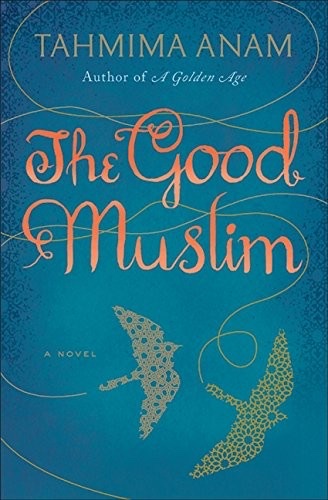
Cover of The Good Muslim

The Good Muslim

Tahmima Anam

4 ideas

  1. Freedom fighter turns preacher, son neglected

    In 1984 Maya Haque, a doctor, returns to Dhaka after years of rural practice and finds her brother Sohail, who fought in the 1971 Liberation War, has become a devout religious leader holding gatherings on the family's rooftop. After his wife's death Sohail leaves his young son Zaid largely unschooled, then sends him to a madrasa where the boy suffers abuse. Maya's fight over the child becomes the family's battleground over what the war was for.

  2. Wartime violence resurfaces as peacetime conversion

    Survivors who took part in atrocity, including their own acts of killing, may be unable to fold that guilt into the heroic story the nation tells about them. Religious devotion can then act as a total framework that absorbs the unspeakable, offering absolution without disclosure. The cost falls on dependents, who inherit the discipline without the reasons.

  3. Women's bodies carry the unacknowledged war

    Look at who does the physical aftercare of a war, such as abortions, births and nursing of women raped during the conflict. That labour shows the costs that official liberation narratives leave out. National celebration of victory depends on keeping this gendered harm private, so the people who tend to it carry the war long after it has officially ended.

  4. Betrayed revolution breeds rival moral certainties

    When a liberation struggle gives way to military rule, amnesty for collaborators and corruption, its veterans split into competing certainties. Some hold to secular justice and demand trials, while others turn to faith as a purer order. Each side reads the other as a betrayal of the original cause, so a political failure becomes a feud between siblings.

Save and mark ideas in the app