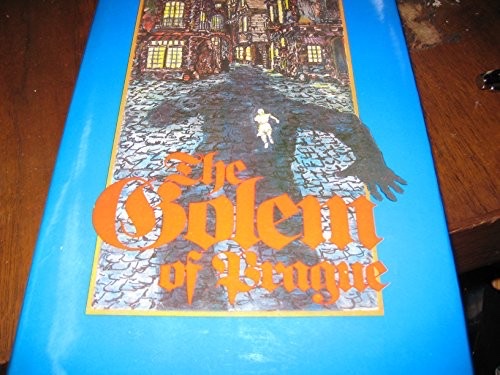
Cover of The Golem of Prague

The Golem of Prague

Anonymous

4 ideas

  1. Rabbi Loew animates and unmakes the golem

    In 16th-century Prague, Rabbi Judah Loew (the Maharal) shapes a man from river clay and brings it to life by inscribing emet (truth) on its forehead, so it can guard the Jewish ghetto against blood-libel attacks. As the golem grows stronger and begins acting beyond its orders, the rabbi erases the first letter, aleph, leaving met (death), and the golem collapses back into inert clay, which is said to be stored in the attic of the Old-New Synagogue.

  2. The off-switch built into the creation

    The golem's life and death are encoded in the same inscription: removing a single letter turns emet into met. The mechanism is that safe creation requires a shutdown path designed in at the moment of making, cheap enough to trigger and simple enough that the creator can still reach it once the creation has become powerful.

  3. Protective servants outgrow the purpose that justified them

    A tool built for defense in an emergency does not stay the size of the emergency: the golem's strength and autonomy keep growing after the threat that justified it has been met. Its danger comes from literal, tireless execution without judgment, so the capacity that made it a good protector also makes it a threat to the people it was built to protect.

  4. Truth animates, and one omission kills

    The legend presents animation as an act of language: a written word gives the clay life, and deleting one letter reverses it. Seen this way, a created system is only as sound as the specification that drives it, and a very small change to that specification can flip the result from life to death.

Save and mark ideas in the app