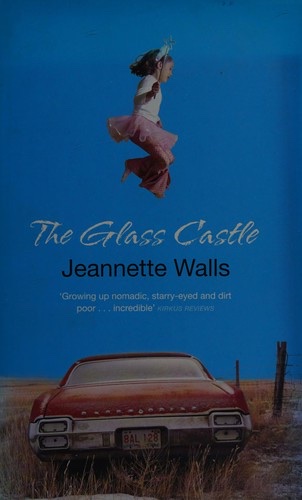
Cover of The Glass Castle

The Glass Castle

Jeannette Walls

4 ideas

  1. Three-year-old burned cooking hot dogs alone

    At age three, Jeannette Walls caught fire while boiling hot dogs on the stove unsupervised because her mother was painting and said she needed to learn to cook. She spent weeks in a hospital with severe burns, and her father then took her out without paying the bill, in what he called doing the 'Rex Walls skedaddle'. Soon after returning home she went back to cooking hot dogs, and her parents framed that as courage, not as their neglect.

  2. The perpetual unfulfilled promise as control

    Rex Walls kept blueprints for a glass castle, a solar-powered dream house he said he would build once he struck it rich with his Prospector gold-finding invention. A grand future plan that is always about to begin can stand in for present provision and turn deprivation into a story of waiting instead of failure.

  3. Reframing hardship as adventure normalizes neglect

    The Walls parents described fleeing bill collectors in the night as adventure, going hungry as character-building, and danger as a way to toughen the children. Because children take on the interpretive frame their parents give them, the frame decides whether they experience deprivation as abuse or as a special kind of freedom. Seeing that frame for what it is means separating the story told about a situation from the material facts of it: no food, no heat, no safety.

  4. Escape requires children to parent themselves collectively

    The Walls siblings left Welch one at a time, each helping the next. They pooled babysitting and odd-job money in a piggy bank, which their father later stole, and Lori moved to New York first so the younger ones had somewhere to land. When parents fail to provide, children can build their own support system through shared resources, planning, and a staggered exit, but the parents may still undermine it.

Save and mark ideas in the app