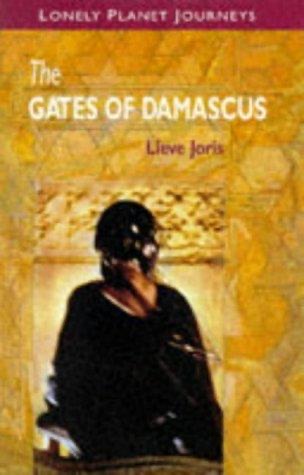
Cover of The Gates of Damascus

The Gates of Damascus

Lieve Joris

4 ideas

  1. Hala's household under her husband's imprisonment

    Joris lived with Hala in Damascus under Hafez al-Assad while Hala's husband was held as a political prisoner for his involvement in a banned opposition group. Hala raised their daughter alone, worked, managed prison visits and negotiated with relatives. She did this while unable to say openly why her husband was gone or when he might return. Her household shows concretely how a regime's repression of one man restructures the daily life of an entire family.

  2. The kitchen as political observatory

    Watching an authoritarian state from inside one family's home reveals what official politics and public streets conceal. You see which topics are dropped when a visitor arrives, how children are coached on what not to repeat, and how shopping, cooking and gossip absorb the regime's pressures. The domestic interior becomes the primary evidence of how power is actually felt.

  3. Internalized surveillance as self-policing fear

    Under a pervasive secret-police state, the informer is rarely needed in person. Citizens assume anyone could be listening, so they censor their own speech, even among friends and family. Fear becomes self-sustaining: people enforce the regime's limits on themselves and on each other, so control persists with little visible coercion.

  4. Prisoners' wives carry a suspended social sentence

    When a man is jailed indefinitely for politics, his wife is left in limbo: neither free to remake her life like a widow nor supported like a wife. Relatives, neighbours and in-laws scrutinize her conduct and her loyalty. Her caution about associating with her husband's cause extends the regime's punishment to her, making her a second, unacknowledged prisoner.

Save and mark ideas in the app