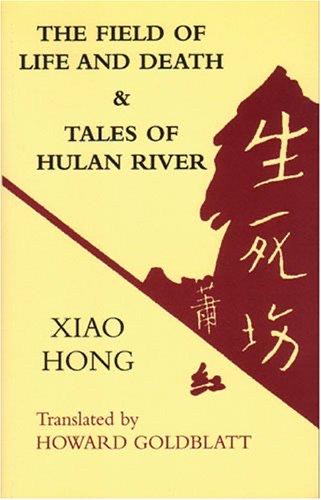
Cover of The Field of Life and Death

The Field of Life and Death

Xiao Hong

4 ideas

  1. Old Mrs. Wang sells her horse

    Old Mrs. Wang, unable to pay rent to the landlord, leads her aged, worn-out horse to the slaughterhouse. On the way she grieves over the animal that has worked her fields for years, yet she goes through with the sale because the rent must be paid. The scene shows how debt to the landlord turns even a peasant's lifelong companion into cash to be surrendered.

  2. Human and animal life on one cycle

    The novel sets village women giving birth beside sows, dogs and cows giving birth, and presents both as the same bodily, unprotected, often fatal process. Life and death arrive with the rhythm of seasons and livestock. The peasants' existence is shown as biological survival rather than a story of individual meaning, which is the book's case for how extreme poverty strips people down.

  3. Patronage defuses rebellion more than force

    Zhao San organizes neighbors against a rent increase. His attempted attack goes wrong and he is jailed, and the landlord then pays to get him released. That favor turns him from rebel into a grateful dependent who abandons the movement. The landlord keeps control by making the resister owe him, not by crushing him.

  4. Women oppressed under every regime

    For the women in the novel, suffering comes from husbands and pregnancy before the Japanese arrive and continues afterward. Jinzhi is pushed into marriage by a premarital pregnancy, loses her infant daughter to her husband's violence, and after she is widowed is sexually assaulted while working in the city. Seen this way, national occupation adds a new oppressor without removing the old ones inside the household and the village.

Save and mark ideas in the app