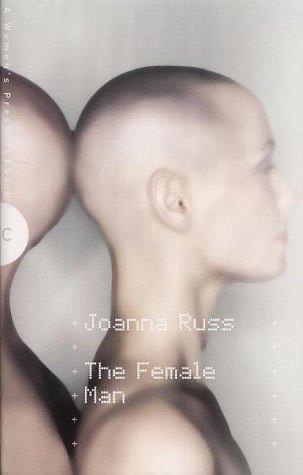
Cover of The Female Man

The Female Man

Joanna Russ

4 ideas

  1. One genotype raised in four worlds

    Janet, Jeannine, Joanna and Jael are genetically the same woman raised in four different histories. Janet comes from Whileaway, a world without men, and is confident and physically fearless. Jeannine lives in a 1969 where the Depression never ended and passively waits to marry. Joanna, in the real 1969, is intelligent but full of self-contempt, and Jael is a killer from a world at open war between the sexes, which makes the traits usually called female nature read as outputs of each world's social arrangements.

  2. Becoming a female man for personhood

    When 'man' is the default word for a full human being, a woman can only claim full personhood by ceasing to identify as a woman in that culture's sense. Joanna's solution is to become a 'female man': she keeps her body but refuses the diminished role attached to it. The concept shows that the category of woman functions as a subtraction from the category of human, not as a parallel to it.

  3. Utopia can rest on erased violence

    Whileawayans believe men died out in a plague, but Jael suggests that Whileaway was actually won through a war of extermination and that the plague story is a cover. A peaceful society can depend on a founding violence it has turned into a natural accident. This forgetting is what lets its citizens feel innocent.

  4. Female compliance as trained behavior

    Visitors from worlds without male dominance, like Janet, fail to perform the deference, flirting and self-effacement that women in 1969 treat as instinct. When Janet answers a man's pressure directly or physically, it becomes clear these behaviors are learned survival scripts. Watching an outsider miss the script shows that what passes as feminine nature is enforced by social penalty.

Save and mark ideas in the app