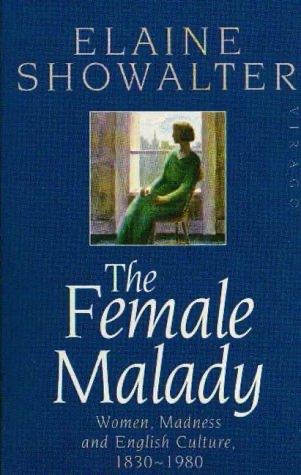
Cover of The Female Malady

The Female Malady

Elaine Showalter

6 ideas

  1. Madness coded as feminine, rationality as masculine

    English culture structured madness through a gendered dualism: reason, mind, and culture were aligned with men, while unreason, body, and nature were aligned with women. Madness therefore came to be treated as a female malady.

  2. Three eras of psychiatric treatment of women

    The book divides English psychiatry into three periods: psychiatric Victorianism (moral management in reformed asylums), psychiatric Darwinism (hereditarian degeneration theory, roughly 1870–1920), and psychiatric modernism (Freudian and shell-shock-era psychotherapy). Each period reframed women's madness with a new explanatory model. The underlying assumption that female nature is inherently unstable persisted through all three.

  3. Moral management enforced feminine conduct as cure

    The Victorian reformed asylum replaced chains with 'moral treatment,' and in practice recovery for women meant visible conformity to domestic ideals. Patients were expected to be neat, quiet, industrious at needlework and laundry, and deferential to superintendents. Sanity was measured by successful performance of the proper lady, so the asylum functioned as a school of femininity.

  4. Shell shock as male hysteria

    During the First World War, thousands of soldiers developed mutism, paralysis, and tremors, which were the classic symptoms of female hysteria. Doctors still split diagnoses by class and rank, calling officers' cases 'neurasthenia' and privates' cases 'hysteria.'

  5. Hysteria as protest against confinement

    This lens reads female hysteria and nervous illness as an unconscious, bodily protest by women denied education, work, and voice. It also shows the limit of that protest: symptoms expressed rebellion while keeping women in the sick role and under medical authority, so resistance through illness reinforced dependency.

  6. Madwoman representations shaped psychiatric practice

    Literary and visual images of madwomen, such as Ophelia, Lucia di Lammermoor, and Bertha Mason, did not just reflect medical theory. They supplied the templates psychiatrists used to see and classify real patients. Asylum photographers such as Hugh Diamond posed female inmates in theatrical Ophelia-like attitudes, so cultural fiction and clinical 'evidence' reinforced each other in a closed loop.

Save and mark ideas in the app