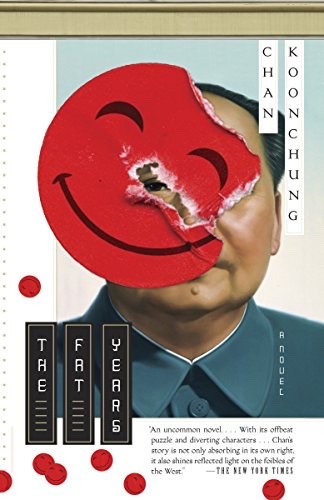
Cover of The Fat Years

The Fat Years

Chan Koon-chung

7 ideas

  1. The vanished month and the confession

    In Beijing in 2013, the writer Lao Chen realizes that almost no one remembers a 28-day period two years earlier, when a global economic crash was followed by China's declared 'Golden Age of Ascendancy.' He and a few others who still remember kidnap a senior official, He Dongsheng, and force him to explain what happened. He describes a period of severe crackdown and says a mood-altering drug was put into the water supply to keep the population mildly euphoric and uncurious.

  2. Engineered contentment as a governing technology

    A state can secure compliance by lowering citizens' desire to ask questions, not only by punishing dissent. It does this by chemically and materially raising their baseline happiness. Contented people have no motive to look for the gap in their own history, so the forgetting maintains itself without constant censorship.

  3. Amnesia is co-produced by the forgetters

    People accepted prosperity and order in exchange for not looking back. Erasure works because remembering would cost people their comfort and the flattering national story, so the governed have their own reasons to forget.

  4. Good hell versus false paradise

    The novel sets two choices against each other: a painful reality that people can see clearly, and a pleasant existence built on a hidden lie. It treats the second as the worse condition, because it takes away even the awareness needed to want change. From this angle, the few who remember look less like troublemakers and more like the only people still free, isolated because they refuse a happiness they know is manufactured.

  5. The kidnapped official explains the missing month

    In the novel's 2013 Beijing, China has entered an official 'Golden Age of Ascendancy' after a global economic crash, and almost nobody remembers the 28 days in which it began. The writer Old Chen and a few others who do remember, including Little Xi and Fang Caodi, abduct the senior Party official He Dongsheng and force him to explain. He describes an emergency crackdown carried out during that month. He also describes a mild euphoric drug added to the water supply, which kept the population content and incurious about the gap.

  6. Forgetting is partly chosen, not only imposed

    The state removes the records and chemically dulls unease, but the amnesia holds because ordinary people prefer not to remember. Recalling the missing month would disturb their newfound contentment and put them at risk. People who try to raise the subject meet indifference or irritation from friends rather than police, so the population polices its own memory.

  7. Engineered contentment as the core instrument of control

    Read authoritarian stability through what makes citizens feel satisfied, not through what they are forbidden to do. The novel portrays a regime that trades prosperity, national pride and a managed sense of wellbeing for political silence. In that arrangement, visible happiness and consumer abundance are the working parts of the control system rather than evidence against it.

Save and mark ideas in the app