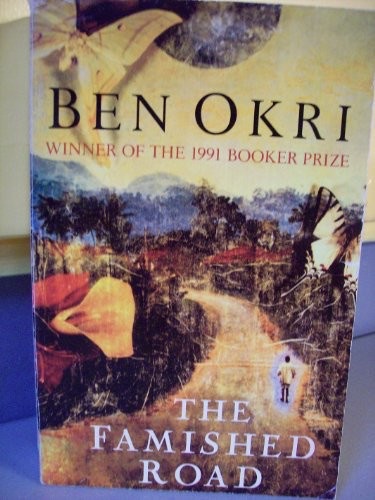
Cover of The Famished Road

The Famished Road

Ben Okri

4 ideas

  1. Abiku child chooses to stay alive

    Azaro is an abiku, a spirit-child bound by a pact with spirit companions to die young and return to their realm, but he breaks the pact because he cannot bear to keep inflicting grief on his poor parents. He is repeatedly hunted, kidnapped and lured by spirits and by strange figures, and he survives each time only through his parents' sacrifices and his own stubborn attachment to them. His father, a carrier of heavy loads who later turns to boxing, and his mother, a street hawker, go deep into debt to keep him.

  2. Seeing spirit and material worlds at once

    Animist realism shows spirits, ghosts and the dead crowding the same streets as landlords, hawkers and politicians, and never treats them as dream or metaphor. A narrator who sees both layers makes poverty and politics look like a struggle between visible and invisible forces. Neither layer is fully explained without the other.

  3. Hunger for sacrifice is never satisfied

    The famished road is an image of a hunger that consumes whatever is offered and still demands more, whether that is a nation's future, a family's labor or a child's life. Colonial extraction and post-colonial patronage politics work the same way. Survival therefore depends on refusing to let appetite define what is possible, not on appeasing it.

  4. Party politics as bribery with poisoned milk

    In the ghetto, rival parties of the rich and the poor compete for votes by handing out gifts, most memorably powdered milk from a campaign van that makes the people who drink it sick. Thugs then punish anyone who refuses. This shows how patronage politics turns people's deprivation into leverage against them, so that material help becomes a tool of control rather than relief.

Save and mark ideas in the app