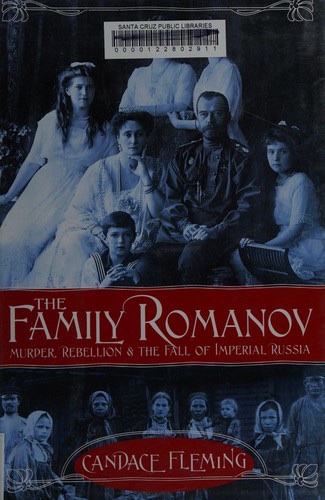
Cover of The Family Romanov

The Family Romanov

Candace Fleming

4 ideas

  1. Bloody Sunday shatters the Little Father myth

    On 22 January 1905, the priest Georgy Gapon led thousands of unarmed St. Petersburg workers carrying icons and portraits of Nicholas II to the Winter Palace to petition him for an eight-hour day and a constituent assembly. Troops fired on the crowd and killed hundreds, while Nicholas was not even in the city. The massacre turned the peasant-worker belief that the tsar was a benevolent 'Little Father' deceived by bad ministers into direct hatred of the tsar himself.

  2. Domestic insulation blinded the ruling family

    Nicholas and Alexandra withdrew into a private, devoted family life at Tsarskoe Selo and preferred it to court, the capital, and contact with ordinary subjects. Their letters and diaries record picnics, tennis and the children's illnesses while strikes, famine and war casualties mounted, so their information about the country came filtered through deferential courtiers. The virtues of their private life, loyalty and retreat into the home, directly produced their political failure because they cut the ruler off from the signals he needed.

  3. Hemophilia secrecy and Rasputin's rise

    The heir Alexei's hemophilia was kept a state secret, so the public could not understand why the Siberian peasant mystic Grigori Rasputin, who appeared to ease the boy's bleeding crises, had intimate access to the empress. While Nicholas was at the front during World War I, Alexandra acted on Rasputin's advice to dismiss and appoint ministers. This fed rumors of treason and debauchery that discredited the dynasty until nobles murdered Rasputin in December 1916, weeks before the monarchy fell.

  4. Parallel lives: palace beside the hovel

    The narrative sets scenes of imperial luxury, such as Fabergé eggs, private yachts and ceremonial balls, directly beside first-hand accounts of peasants and factory workers living in one-room barracks, eating black bread and burying children. The juxtaposition shows revolution as the result of a lived gap in material conditions that grew visible and intolerable, not as a plot by a few agitators.

Save and mark ideas in the app