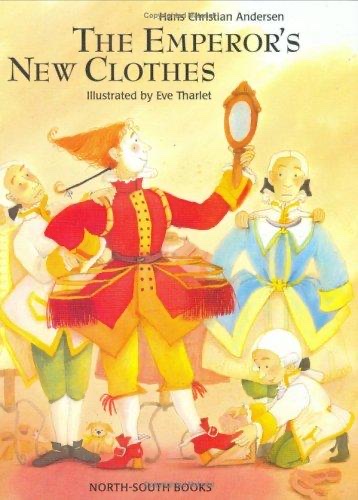
Cover of The Emperor's New Clothes

The Emperor's New Clothes

Hans Christian Andersen

4 ideas

  1. Swindlers sell an emperor invisible cloth

    Two swindlers persuade a clothes-obsessed emperor that their fabric is invisible to anyone unfit for his office or hopelessly stupid. The emperor's trusted ministers see nothing on the empty looms yet praise the cloth, and so does the emperor, each afraid the blindness exposes him alone. The emperor parades through town in nothing while the crowd cheers the garments, until a child calls out that he has nothing on, the cry spreads through the crowd, and the emperor keeps marching anyway.

  2. Self-sealing test built into the lie

    The swindlers make the cloth's defining property that it is invisible to the incompetent and stupid, so seeing nothing becomes evidence against the person looking rather than against the cloth. This turns every observer's direct perception into a private liability, and each one then works to hide the truth instead of reporting it. A claim protected this way cannot be challenged by the people best placed to check it.

  3. Pluralistic ignorance sustains shared falsehoods

    Each person privately sees the emperor is naked but assumes everyone else sees the clothes, so each publicly praises the garments. The public praise then confirms to every individual that they are alone in their doubt. A belief almost nobody holds can stay dominant because everyone's outward conformity becomes everyone else's false evidence.

  4. An outsider's plain statement collapses the consensus

    The child can speak because he holds no office, reputation, or status that the stupidity test could threaten. Once one person says openly what everyone privately knows, the private knowledge becomes common knowledge, and the crowd's repetition of the child's words shows the pretense was fragile the whole time. Power that depends on the pretense may still carry on regardless, as the emperor does by marching on.

Save and mark ideas in the app