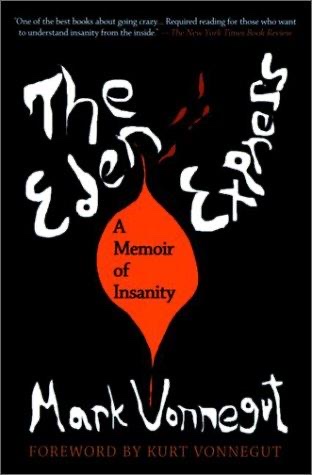
Cover of The Eden Express

The Eden Express

Mark Vonnegut

4 ideas

  1. Commune founder's breakdown in British Columbia

    After graduating from Swarthmore in 1969, Mark Vonnegut, son of novelist Kurt Vonnegut, helped start a back-to-the-land commune in rural British Columbia. By early 1971, amid sleeplessness, fasting, and intense idealism, he had a full psychotic break with hallucinations and delusions. He was hospitalised in a Vancouver-area psychiatric hospital, relapsed more than once, recovered, and went on to become a physician.

  2. Madness is chemistry, not spiritual breakthrough

    Vonnegut argues that his psychosis was a biochemical illness that needed medical treatment, not a visionary journey or a sane reaction to an insane society. He calls the romantic view dangerous because it tells sufferers and their friends to wait out or even welcome a state that is actually destroying the person inside it.

  3. Countercultural norms camouflage emerging psychosis

    In a community that valued altered consciousness, mystical insight, and rejection of conventional reality, early psychotic symptoms looked like spiritual progress rather than illness. The group's shared vocabulary for enlightenment let the illness go unrecognised until it became acute. It also made it harder for the sufferer himself to question his own experiences.

  4. Psychosis feels like revelation from inside

    From the inside, the break felt like a flood of cosmic meaning, heightened perception, and moral urgency, not like confusion or sickness. Because the experience certifies itself as truer than ordinary reality, the person's own sense of clarity is an unreliable guide to whether he is well. That is why outside intervention and hindsight become essential.

Save and mark ideas in the app