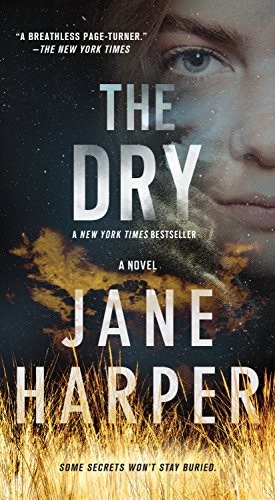
Cover of The Dry

The Dry

Jane Harper

4 ideas

  1. Kiewarra: the staged Hadler murder-suicide

    Federal financial investigator Aaron Falk returns to the drought-hit farming town of Kiewarra for the funeral of his childhood friend Luke Hadler, who apparently shot his wife Karen and son Billy, spared his baby daughter, then killed himself. With local sergeant Greg Raco, Falk finds the family was killed by school principal Scott Whitlam, whose embezzlement of school funds Karen had uncovered, and who staged the scene as a debt-driven farmer's collapse.

  2. Drought makes despair the default explanation

    In a community under prolonged economic and climatic stress, a farmer killing his family reads as tragic but plausible, so nobody examines the evidence closely. The ambient hardship supplies a ready-made motive that a real killer can hide inside. The more a narrative fits what everyone already fears about their situation, the less scrutiny it receives.

  3. The small town's permanent collective verdict

    A small town's shared memory settles on a version of a past event and enforces it through gossip, exclusion and hostility, independent of any legal finding. Falk was never charged over Ellie's death, yet the town convicted him socially and drove his family out. Twenty years later that verdict still governs how people treat him, and it shields whoever actually benefited from it.

  4. A shared lie creates lifelong mutual dependence

    When two people fabricate an alibi together, each becomes the keeper of the other's exposure, so the lie binds them more tightly than the friendship did. Falk's decision to accept Luke's false alibi protected him but left him unable to fully trust or question the man he owed. Keeping that secret for decades blinded him to what Luke might have done.

Save and mark ideas in the app