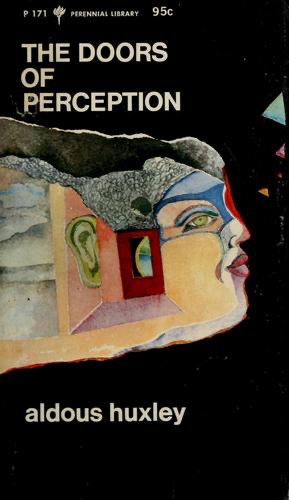
Cover of The Doors of Perception

The Doors of Perception

Aldous Huxley

6 ideas

  1. The Brain as Reducing Valve

    Each person is potentially Mind at Large, able to perceive everything happening everywhere. The brain and nervous system work mainly to eliminate, admitting only a thin trickle of awareness that helps the organism survive. Mescaline and similar states weaken this filter, so material normally screened out gets through.

  2. The Chair and the Flowers

    Under mescaline, Huxley looked at a small arrangement of flowers and at the legs of a bamboo chair. He saw them as 'Is-ness', naked existence shining with meaning, rather than as useful objects. The ordinary household things became what he called the miracle of bare existence, seen the way Adam saw them on the morning of creation.

  3. Language Replaces Perception with Concepts

    Humans are born into a language and inherit its categories. These words then mediate everything they experience, so they perceive labels, not the raw given. Verbal symbols become most people's reality. Their value lies in their usefulness, but they also blind people to what is directly there.

  4. Mystical Seeing Undercuts Practical Action

    The heightened vision made space, time, and human concerns seem unimportant, and it weakened the will to act. Huxley worried that pure contemplation conflicts with charity and the demands of practical life. He concluded that the ideal is to join clear, unfiltered seeing with ordinary active engagement, not to withdraw into it.

  5. Drapery as the Artist's Unfiltered Vision

    They freed the artist from the demands of representing human character. Great artists, he argued, are people who naturally see some of what the reducing valve normally filters out.

  6. Humanity Needs Chemical Doors in the Wall

    People everywhere have always wanted to escape the confines of the self, and they have used alcohol, tobacco, and other drugs to do it. Huxley argues that these are damaging substitutes. He proposes that society should look for safer substances that open perception, and treat them as potential sacraments. Such experiences could offer a gratuitous grace of direct seeing, and even people locked in abstraction would benefit from them.

Save and mark ideas in the app