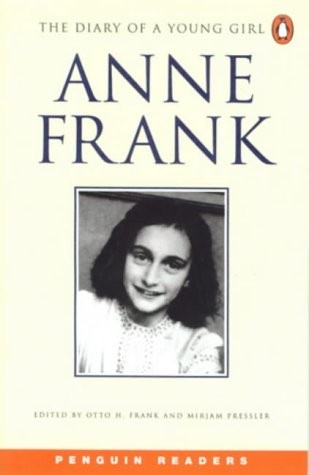
Cover of The Diary of a Young Girl

The Diary of a Young Girl

Anne Frank

4 ideas

  1. Eight people hidden in the Secret Annex

    From July 1942 to August 1944, Otto Frank's family, the van Pels family and dentist Fritz Pfeffer hid in sealed rooms behind a bookcase above his Amsterdam business at Prinsengracht 263. Office staff including Miep Gies, Bep Voskuijl, Johannes Kleiman and Victor Kugler brought them food and news at great risk to themselves.

  2. The imagined confidant enables radical candor

    Anne addressed her entries as letters to 'Kitty,' an invented friend, rather than writing to herself or to an actual reader. A listener who is present but can never answer, judge or repeat anything lets the writer say what she cannot say to anyone in the room.

  3. Editors shape a victim into a symbol

    Otto Frank's 1947 edition cut Anne's harsh judgments of her mother, her frank writing about sexuality and her body, and unflattering portraits of the other residents. The result presented a gentler, more universal young girl who could serve as a symbol of the Holocaust. The 1995 definitive edition restores these passages and shows that a representative victim's voice is often curated by survivors, whose aims include protecting reputations and extending the voice's appeal to more readers.

  4. Confinement turns the enemy outside into friction inside

    The mortal threat was outside the annex, but most of the diary's daily conflict is about food portions, noise, bathroom schedules and sharing a room with Pfeffer. Under prolonged forced proximity, small grievances take up the attention that the larger danger cannot occupy. Ordinary life continues through the crisis rather than stopping for it, including adolescent rebellion, a first romance with Peter van Pels, and ambition to become a writer.

Save and mark ideas in the app