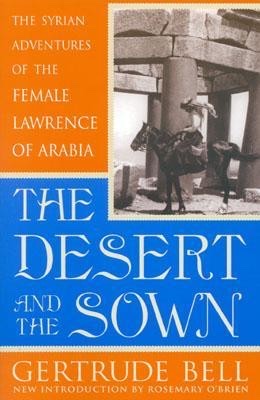
Cover of The Desert and the Sown

The Desert and the Sown

Gertrude Bell

4 ideas

  1. A woman crossing Syria through sheikhs' protection

    In early 1905 Gertrude Bell rode from Jerusalem east of the Jordan, through the Hauran and the Druze stronghold of Jebel Druze, then north through inland Syria to Antioch. Her passage depended on letters, guides and guarantees from Bedouin sheikhs and Druze chiefs, not on Ottoman authority, which was thin on the steppe. Nights in their tents and guest-rooms supplied the conversations she recorded as the substance of the book.

  2. The desert and the sown frontier

    Syria is organized by a shifting border between nomadic pastoralists of the steppe and settled cultivators of the watered land. The two economies depend on each other through trade, grazing and tribute, yet also prey on each other. Where central power weakens, the desert presses in through raids and protection-payments; where it strengthens, cultivation creeps outward.

  3. Let the people speak for themselves

    Bell deliberately reports what sheikhs, villagers and officials told her in their own terms rather than building a political theory over them. She treats their gossip, grievances and opinions of the Sultan, the Druze or distant wars as primary evidence of how the region actually thinks. Understanding a society, on this view, comes from listening at the campfire rather than reading the official account.

  4. Weak imperial rule beats anarchy

    Bell argues that Ottoman administration, however corrupt and inefficient, was the only force restraining feud, raiding and sectarian conflict among Syria's tribes and communities. Its authority rested less on strength than on being the one arbiter every faction acknowledged. Removing it without a replacement would, she judged, unleash the rivalries it held in check.

Save and mark ideas in the app