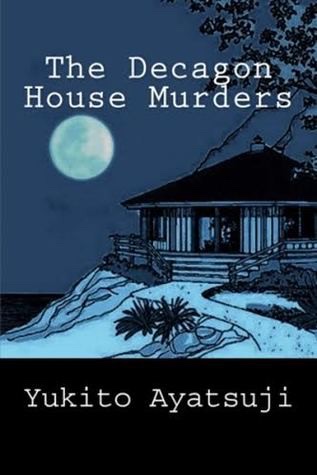
Cover of The Decagon House Murders

The Decagon House Murders

Ayatsuji Yukito

4 ideas

  1. Van shuttles between island and mainland

    They are killed one by one while, on the mainland, investigators pursue anonymous letters signed by the dead architect. The killer is Van, who secretly boats between the two locations and also appears in the mainland chapters under his real name, Morisu. He is avenging his girlfriend, Nakamura's daughter Chiori, who died after club members pressured her into heavy drinking at a party.

  2. Parallel storylines that conceal one person

    The narrative alternates between two settings that the reader assumes contain separate casts. Because the island characters appear only as nicknames and the mainland characters only under legal names, one person can appear in both without the reader connecting them. The solution arrives in a single line that joins the two names, and the whole plot reorganizes around it without any new fact being introduced.

  3. Nicknames turn people into genre roles

    When a group swaps real names for borrowed personas, members start to see each other as types rather than individuals. The labels tell the group who is clever and who is a suspect, and they also hide the ordinary facts, such as a real name, a lover or a grudge, that would expose a motive. A shared identity game can therefore become the camouflage for real harm.

  4. Fair play means misdirecting the reader, not withholding

    A puzzle mystery is fair when every fact needed for the solution is on the page and the surprise comes only from the reader's own unexamined assumptions. The author's skill lies in controlling which inferences feel natural, such as assuming that distance separates two groups, rather than in hiding evidence. A well-built revelation therefore feels inevitable in hindsight.

Save and mark ideas in the app