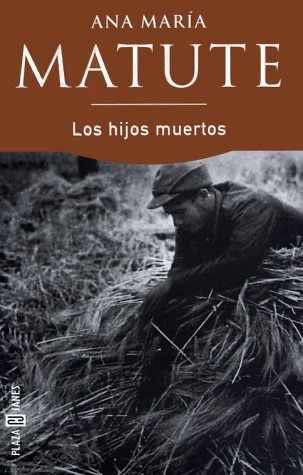
Cover of The Dead Sons

The Dead Sons

Spain · 1900–1950

3 ideas

Buy on Amazon

Across generations of a Spanish family, *The Dead Sons* follows relationships and fortunes strained by the Civil War and its aftermath. Ana María Matute gives the conflict a long reach: violence and loss shape lives beyond those who first endured them.

  1. Civil war leaves the survivors spiritually dead

    The 'dead sons' are not only the young killed in combat but the survivors on the losing side, who live on without purpose, faith, or a future. A civil war destroys a generation's capacity to believe in anything, so the losers' lives continue in outward form while being emptied of meaning.

  2. Family decline as a national allegory

    One landowning family's slow ruin can be read as a model of the society that produced the war. Inherited pride, hoarded property, and rigid obligation rot the Corvos from within long before any outside violence arrives. Isabel, who sacrifices her own life to keep the family house standing, shows how preserving an inheritance can consume the people it was meant to protect.

  3. Defeat repeats itself across generations

    The frustrated hopes of one generation reappear in the next. The idealist becomes the jailer of a younger version of himself, and each set of 'sons' is failed by the fathers before them. Violence and disappointment pass down through families and institutions like an inheritance, so no generation begins with a clean slate.

Save ideas and give them a thumbs up or down in the app