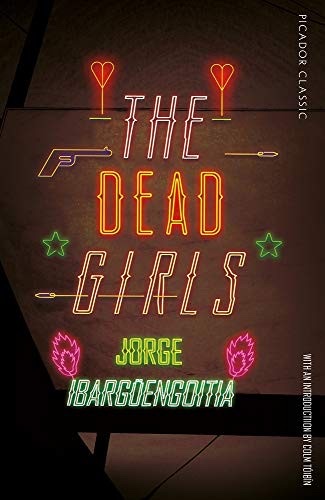
Cover of The Dead Girls

The Dead Girls

Jorge Ibargüengoitia

3 ideas

  1. Prohibition relocates harm instead of ending it

    The novel argues that the law banning brothels did not free the women. It cut off the sisters' income and pushed them to hide their workers where no customers, inspectors, or witnesses could reach them. Once the women stopped earning, they became a cost to be contained, and the deaths followed from that change in their economic status rather than from any original plan to kill.

  2. Atrocity as a sum of mundane decisions

    The story is told through flat, documentary-style testimony, and it shows mass death building up from ordinary bookkeeping choices: cutting food, delaying a doctor, avoiding exposure, settling a quarrel. No one involved sees themselves as a murderer. Each step is small enough to seem reasonable within the perpetrators' narrow cost-and-risk reasoning, which is how the horror becomes possible.

  3. Protection economy of provincial complicity

    The brothels run inside a network of bribed police, obliging officials, and clients who all gain from the trade and so have no reason to look closely. That shared complicity makes the captive women invisible. The system is exposed only when a personal feud creates a crime too public for anyone to ignore.

Save and mark ideas in the app