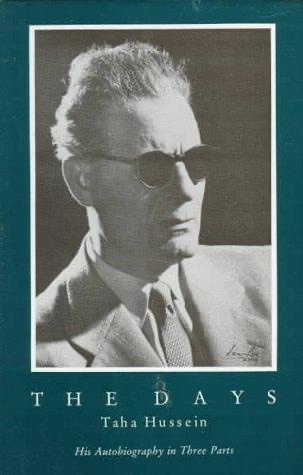
Cover of The Days

The Days

Taha Hussein

4 ideas

  1. The blind boy's humiliation at the table

    Stung, he began eating alone, refused soup, rice, and any food he might spill, and avoided eating in front of others for years. The episode shows public shame turning a disabled child's self-discipline into lasting self-denial and isolation.

  2. Ignorance, not fate, blinds and kills

    The boy lost his sight because an eye infection was treated by a village barber with folk remedies rather than by a doctor. Later his small sister died of a fever that her family met with chanting and neglect, and his brother died of cholera. The book presents these losses as consequences of rural ignorance and fatalistic resignation, which makes education a matter of survival rather than refinement.

  3. Narrating yourself in the third person

    Hussein calls his younger self "the boy" and "our friend" instead of "I," so the adult author can look at his child self from outside. This distance lets him describe humiliation, fear, and helplessness with irony and tenderness rather than self-pity. It also turns private suffering into a case the reader can judge.

  4. Memorization without understanding breeds hollow learning

    The boy memorized the entire Quran by about age nine, then quietly forgot parts of it and was publicly shamed when his father tested him. At al-Azhar he met the same model in adult form: sheikhs repeated commentaries on commentaries and punished questions. His disillusionment drove him toward critical, source-based inquiry, first at the new Egyptian University and then in Paris.

Save and mark ideas in the app