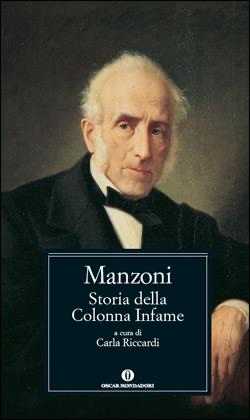
Cover of The Column of Infamy

The Column of Infamy

Alessandro Manzoni

6 ideas

  1. Judges violated their own era's law

    Manzoni argues the Milan judges cannot be excused as prisoners of a barbarous age, because the jurisprudence of their own time already restricted torture: it required solid prior evidence, forbade leading questions, and forbade promises of impunity used to extract accusations. The judges broke rules they knew and accepted. So the injustice came from their own will and not from the ignorance of their century.

  2. Blame persons, not the spirit of the age

    Blaming an era's ignorance or superstition for an atrocity spreads guilt across everyone, and that erases it from the individuals who actually decided. Manzoni asks, at each step, what choice a specific official faced and which option he took. That question shows discretion where 'the times' had seemed to show necessity.

  3. Torture as confirmation of prior conviction

    The judges had already decided the accused were guilty, so torture served to produce the confession their belief required, not to find out what happened. Any denial was read as a lie that justified more pain. Only the answer the questioners wanted could end it, so the method could not reach any other result.

  4. Piazza's smeared wall and Mora's barber shop

    In 1630 a woman saw the health commissioner Guglielmo Piazza touching walls in the rain, and the accusation that followed became a capital charge. Under torture and a promise of impunity, Piazza named the barber Gian Giacomo Mora, whose household remedies were then reinterpreted as poison. Both men were tortured and executed, Mora's house was razed, and a 'column of infamy' was raised on the site to memorialize a crime that never happened.

  5. Promised impunity manufactures accomplices

    An accused man was offered pardon in exchange for naming accomplices. This gave him a strong reason to invent names, and each invented name then counted as corroboration for the next arrest. The inquiry fed on its own inventions, and the number of 'conspirators' grew with how much the torture could extract, not with any real conspiracy.

  6. Public fury as permission, not compulsion

    The Milanese crowd demanded culprits for the plague, but Manzoni treats that pressure as a temptation the judges gave in to, not a force that relieved them of responsibility. Popular passion made the wrong choice easier and more rewarded without making it compulsory. The magistrates' role existed precisely to resist such pressure, so pleading it convicts them rather than excusing them.

Save and mark ideas in the app