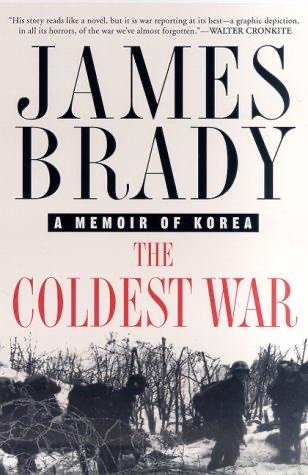
Cover of The Coldest War

The Coldest War

James Brady

4 ideas

  1. Green Reserve Lieutenant's Frozen Korean Winter

    That winter the front had frozen in place while truce talks dragged on at Panmunjom, so his war was not sweeping offensives but night patrols, ambushes, small raids, and holding trench lines on ridges against the Chinese and North Koreans. His account shows how a novice officer learns command on the job, largely from the men he is supposed to be leading.

  2. Cold Becomes the Primary Enemy

    In a static mountain war in winter, the environment inflicts steady, predictable damage while enemy contact is sporadic. Frostbite, frozen weapons, and exhaustion degrade a unit whether or not anyone fires a shot. So most of a small-unit leader's real work shifts from tactics to maintenance: keeping feet dry, weapons working, and men fed and awake.

  3. Dying for Bargaining-Table Leverage

    When a war stalls into negotiation, the fighting stops aiming at victory and starts supplying leverage for diplomats. Hills are taken and held because they strengthen a negotiating position, so casualties keep mounting while the outcome is decided elsewhere. The front-line soldier sees the gap between his risk and any decisive purpose, and his motivation shrinks to loyalty toward the men beside him and to surviving his tour.

  4. Rotation Turns War Into Countdown

    Under individual rotation, soldiers leave after a fixed amount of time or points rather than when the war ends, so each man tracks his own personal countdown instead of a shared finish. This keeps morale bearable, but it constantly drains experience out of units. That makes veteran sergeants and enlisted men the real carriers of knowledge, and a new officer's authority depends on learning from them rather than on his rank.

Save and mark ideas in the app