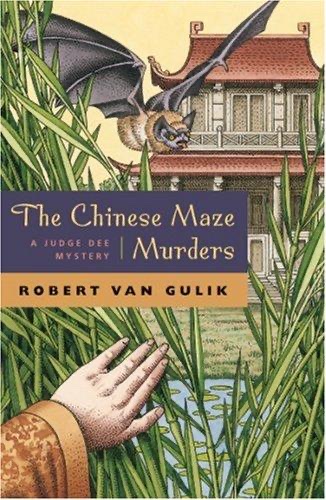
Cover of The Chinese Maze Murders

The Chinese Maze Murders

Robert van Gulik

4 ideas

  1. The Governor's Scroll as Hidden Inheritance

    His note says the scroll contains that son's rightful share. Judge Dee works out that the painting is a coded map tied to the governor's maze-like estate, and following it leads to the hidden legacy and the father's true intentions.

  2. The Object Is the Message

    When a document or artifact seems to say too little, the information may sit in its form, layout or physical construction rather than its surface content. An investigator who treats the object only as a picture or a text will miss that it was built to work as a map or container. The question to ask is: why did the sender choose this object?

  3. Tyranny Rests on Unchallenged Fear

    A local strongman who has displaced lawful authority rules through people's belief that he cannot be touched, not through overwhelming force. Once an official openly confronts him and acts as if the law still applies, his retainers and the cowed population reassess their options. His power then collapses faster than his apparent strength would suggest. Restoring visible authority has to come before ordinary justice can work.

  4. Magistrate as Detective, Prosecutor and Judge

    In the imperial Chinese district system, a single magistrate investigates the crime, questions suspects in public tribunal, and passes sentence. A conviction generally requires the accused's confession. Investigation therefore aims to build a case so complete that the suspect cannot keep denying it in open court, rather than simply to identify the culprit.

Save and mark ideas in the app