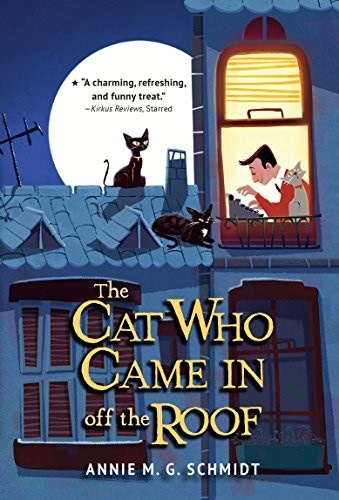
Cover of The Cat Who Came in off the Roof

The Cat Who Came in off the Roof

Annie M. G. Schmidt

4 ideas

  1. Shy reporter exposes animal-society chairman with cats

    Tibbe is a timid junior reporter in a small Dutch town who is about to be fired because he only writes about cats. Minoes, a cat turned into a young woman, becomes his secretary and relays tips from the town's rooftop network of cats. With this help he exposes Mr. Ellemeet, a respected factory owner who chairs the local Animal Protection Society but whose cruelty to animals the cats had seen.

  2. Ignored observers as the best witnesses

    Those whom the powerful consider beneath notice, such as strays, servants, and animals, are present at unguarded moments and see what public performances hide. Because no one guards their behavior in front of them, their testimony reaches private conduct that official sources never see. Access to the truth therefore comes from building trust with the overlooked, not from interviewing the prominent.

  3. Public virtue offices shield private misconduct

    A powerful person who holds a visible post that signals virtue, such as president of an animal protection society, gains credibility that makes accusations against him seem absurd. The title works as preemptive cover, so exposing him requires evidence of what he does when unobserved, not argument against his reputation. The discrepancy only becomes undeniable when his private behavior is forced into public view.

  4. Changing form does not rewrite habits

    Minoes has a human body but still purrs, hisses at dogs, climbs onto roofs, and rubs against people she likes. The story treats identity as a set of ingrained habits that persist after an outward transformation, so becoming someone new means repeatedly choosing against old instincts. She finally belongs as a human not through the magic that changed her but through her own choices and her loyalty to Tibbe.

Save and mark ideas in the app