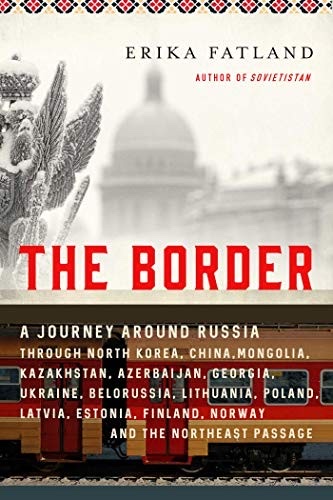
Cover of The Border

The Border

Erika Fatland

4 ideas

  1. Soviet liberation and withdrawal from Finnmark

    In October 1944 the Red Army pushed the Germans out of Kirkenes and eastern Finnmark in Arctic Norway, making it the only part of Norway freed by Soviet troops. The following year the Soviets withdrew and handed the territory back. Locals still remember this with gratitude, so Norway's short border with Russia carries a memory of Russia as liberator rather than occupier. That memory sets Norway apart from most of the other neighbours.

  2. Frozen conflicts as instruments of leverage

    Russia keeps influence over neighbours that turn West by supporting breakaway territories inside them. Examples are Abkhazia and South Ossetia in Georgia, and Crimea and the Donbas in Ukraine.

  3. Neighbour identity defined against Russia

    Each bordering nation's modern identity can be read as a reply to its experience of Russia. The Baltic states and Poland build theirs on memories of occupation and deportation. Finland's rests on the Winter War and on staying independent through careful accommodation. Belarus and Kazakhstan work under closer political, economic and cultural ties with Moscow. Looking at a country this way shows its history as a series of choices about how close to stand to one powerful neighbour.

  4. The border as a lived zone

    A border is more than a line on a map. It is a band of territory where empires have fought, advanced and pulled back, and where ethnic mixes, languages and family histories have been redrawn many times. Russia's border in particular has moved again and again. People in these zones often have loyalties, languages and grievances that don't match the flag currently flying over them.

Save and mark ideas in the app