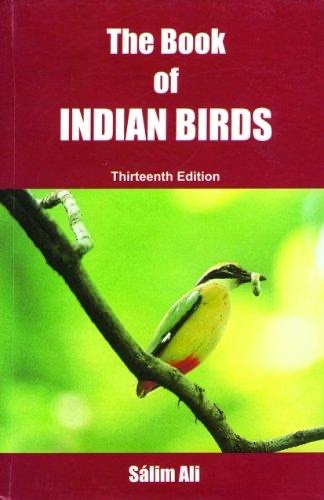
Cover of The Book of Indian Birds

The Book of Indian Birds

Sálim Ali

3 ideas

  1. Multi-cue identification beyond plumage alone

    A bird is identified by combining several independent cues: size compared to familiar reference birds (sparrow, myna, crow, kite), plumage, behaviour, habitat, call, and range. Using several at once rules out look-alikes that differ only in the one feature a beginner happens to notice.

  2. Habits and habitat as identification evidence

    Where a bird is seen and what it is doing are often more diagnostic than its colours. Examples include foraging on the ground versus in the canopy, flocking versus solitary, perching posture, flight style, and wetland versus scrub versus forest. Reading behaviour and setting narrows the candidates before plumage details are even visible, especially in poor light or at a distance.

  3. Familiar yardstick birds for sizing

    Absolute size is hard to judge in the field, so size is expressed relative to a small set of common birds everyone already knows, such as the sparrow, bulbul, myna, pigeon, crow, and kite. This turns a vague impression into a usable comparison. It anchors the beginner's perception in everyday experience.

Save and mark ideas in the app