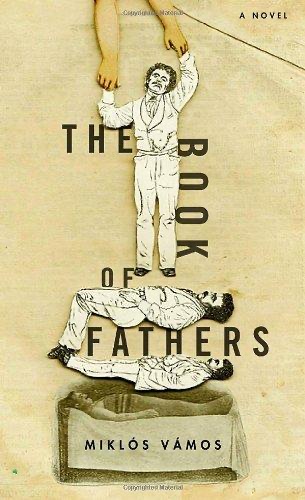
Cover of The Book of Fathers

The Book of Fathers

Miklós Vámos

3 ideas

  1. Twelve first-born sons and one watch

    Starting with Kornél Csillag in 1705, amid the Rákóczi uprising against the Habsburgs, the novel follows twelve generations of Hungarian first-born sons. Each inherits a family watch along with the family chronicle and the ability to see into his forebears' lives. The surname shifts from the Hungarian Csillag to the German Stern and the line passes into Jewish identity, so one bloodline absorbs Habsburg rule, two world wars, the Holocaust and Communism in turn.

  2. National upheaval read through one household

    Following one family instead of rulers or battles shows each regime change as a demand on ordinary people's identity. They must change a surname, a faith, a language or a loyalty in order to survive. The family's renamings and conversions become a record of which identities each era rewarded and which it punished.

  3. Seeing the past does not protect the future

    Each son can see his ancestors' experiences directly, yet the family keeps meeting the same kinds of catastrophe: war, persecution, displacement. Knowing where you came from gives continuity and meaning, but it does not help you escape the historical forces that hurt your forebears. Inherited memory works as a burden to carry forward, not as a warning that prevents repetition.

Save and mark ideas in the app